The Corset Question, 1850–1900
For half a century, a single undergarment tethered womanhood to whalebone. The arguments against it were medical, moral, and, finally, modern.
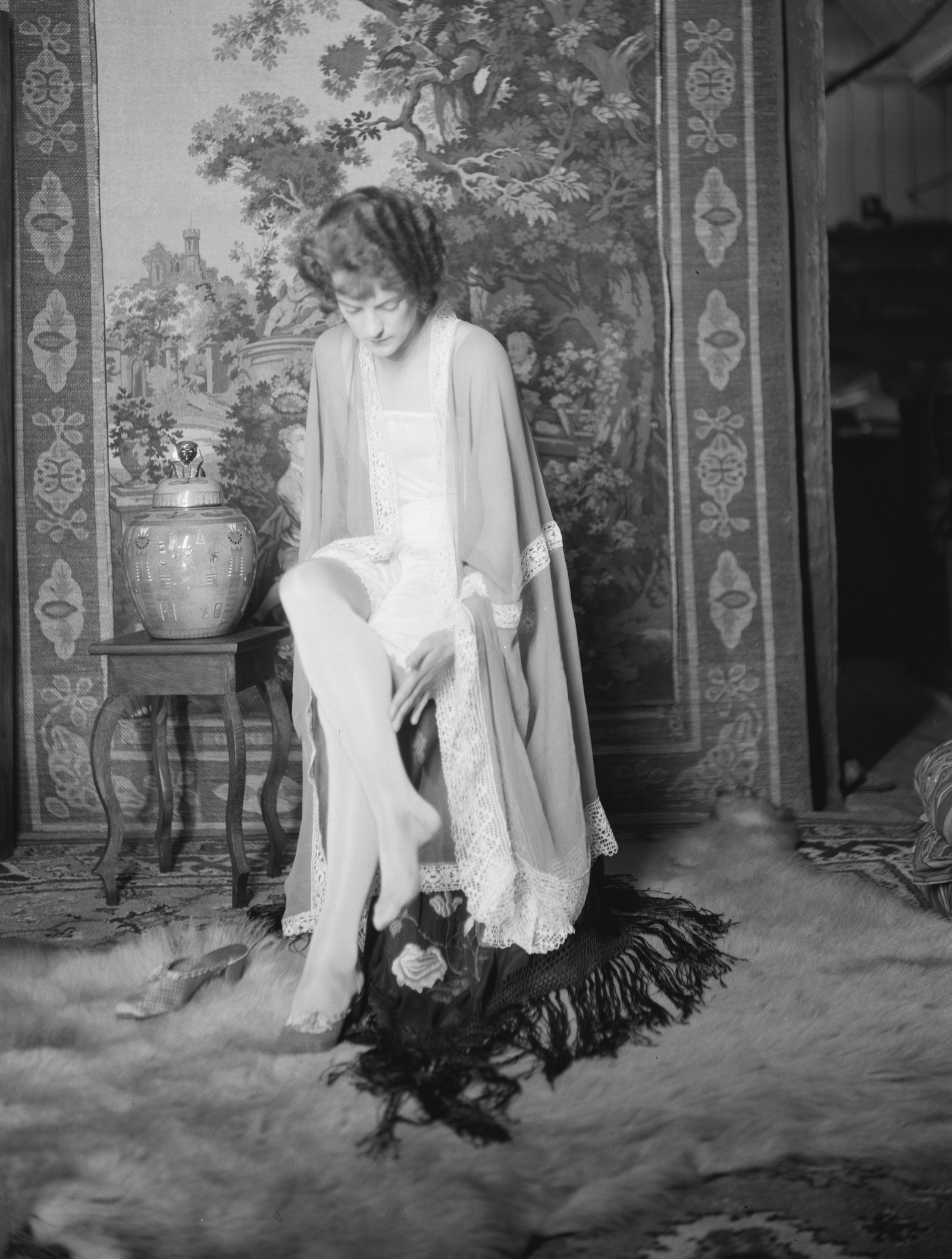
Victorian era, MDCCCXXXVII–MCMI
To wear a corset in 1875 was to participate, daily, in an argument. The garment laced a woman's torso into an hourglass—eighteen inches, if she could manage it—and in doing so, laced her into a half-century of debate about her body, her health, and her rights. What looks to us now like a quaint apparatus of oppression was, in its own moment, contested terrain: embraced, reformed, medicalised, romanticised, and occasionally burned in public squares.
The corset did not begin as a Victorian invention. Stays had structured the European silhouette since the 16th century. But the 19th century industrialised the garment. Steel replaced whalebone in the busk; eyelets were stamped by machine; by the 1860s, ready-made corsets could be purchased from catalogues and shipped to the furthest reaches of the Raj.
A Medical Panic
Victorian physicians, always restless for a diagnosis, seized on the corset as the cause of every female complaint from fainting to hysteria to the "displacement of the uterus." The medical literature is extraordinary: engravings of deformed ribs, case studies of women who laced past breathing, sermons that located in the waistline the general decline of Christian civilisation.
A woman of fashion, in full dress, compresses the lower thorax to one-third of its natural volume. She does this twice a day, for forty years, and wonders why she is unwell.
The truth was less gothic. Most women laced moderately; tight-lacing was an extreme practiced by a small minority and satirised vigorously in the press. Still, the image of the fainting, whale-ribbed woman proved irresistible, partly because it mapped neatly onto older anxieties about women who refused to remain sensible.
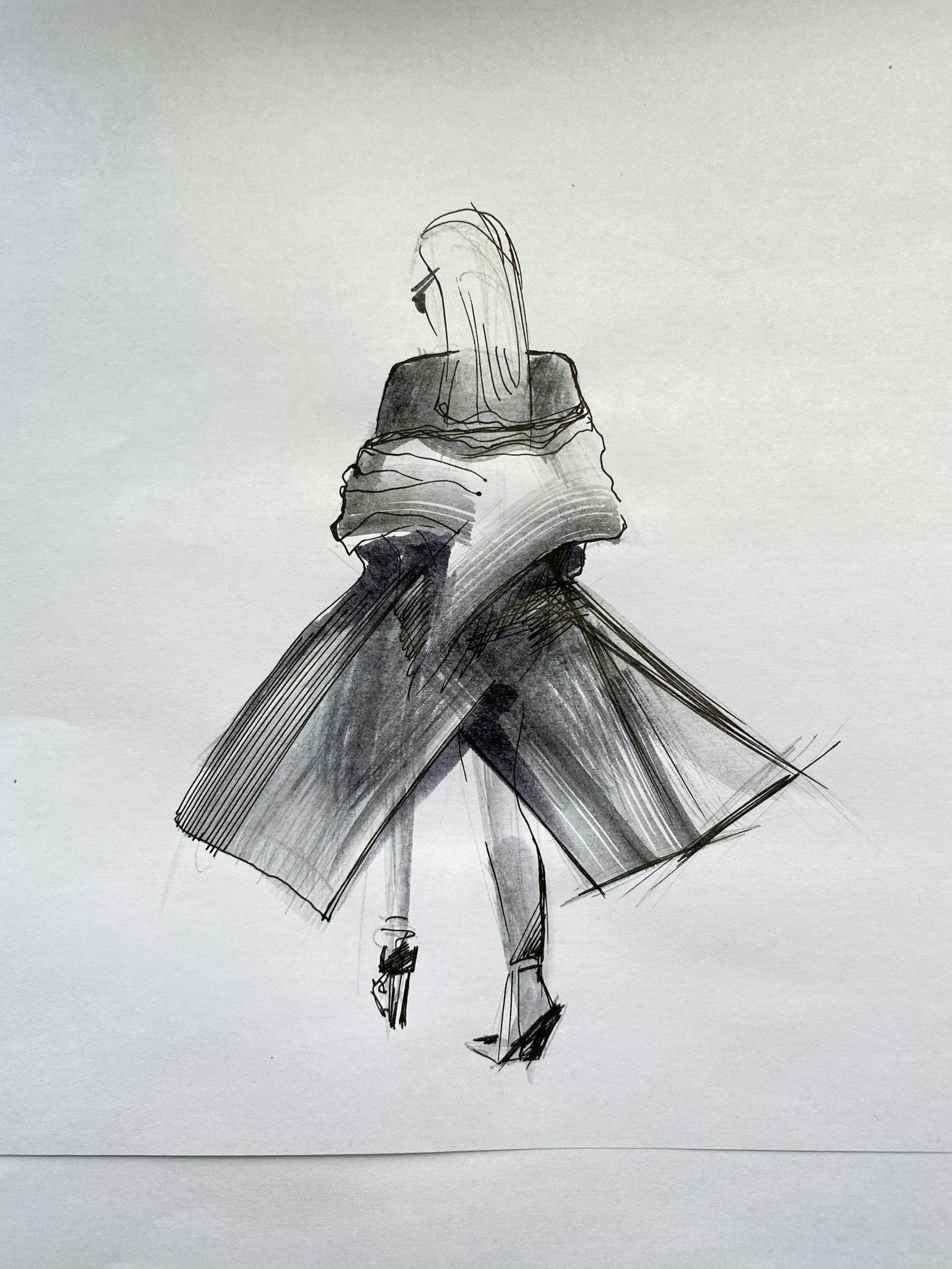
Rational Dress
The Rational Dress Society, founded in London in 1881, did not demand the abolition of beauty. It demanded that beauty cease to weigh seven pounds. Their manifesto called for no garment to exceed that weight, for skirts short enough to permit walking, and for the end of "cruelly tight" stays. The members wore, memorably, divided skirts and cycled. Punch magazine was scandalised. Edwardian dress, when it arrived, owed them everything.
By 1900 the corset had not vanished—it would survive, in softer forms, well into the 1910s—but the conversation had shifted. The body underneath had been granted, at last, the dignity of an opinion. That the argument was waged in whalebone and ribbon rather than in parliament is the story of women's history itself: conducted, for want of a rostrum, in the materials at hand.
Anaya Deshmukh
Fashion historian and essayist based in Delhi. Former curator at the Museum of Costume, her work traces the social lives of garments across two centuries.
Related Dispatches

Streetwear: How a New York Skate Shop Conquered Paris Fashion
A graphic tee from Lafayette Street, a hoodie from Harajuku, a sneaker drop announced on Instagram. The forty-year migration of skate-and-hip-hop dressing from subculture to luxury runway.

Minimalism: Why 1990s Restraint Still Defines Luxury Today
A bias-cut slip in undyed silk, a sleeveless shift in undyed wool, a bag with no logo at all. The decade that decided that subtraction was a luxury proposition — and was right.

Grunge: The Collection That Got Marc Jacobs Fired in 1992
A flannel shirt from a thrift shop, a slip dress over a Tee, a pair of Doc Martens. The Seattle-imported anti-glamour that ended one designer’s job at Perry Ellis and reordered fashion for a decade.
Readers’ Letters
Submissions are moderated, as in any decent publication.
No letters received yet. Yours may be the first.