The Rise of Streetwear: From Subculture to Runway
How a T-shirt printed in a Los Angeles garage and a logo stencilled in New York taught Paris to speak the language of the block.
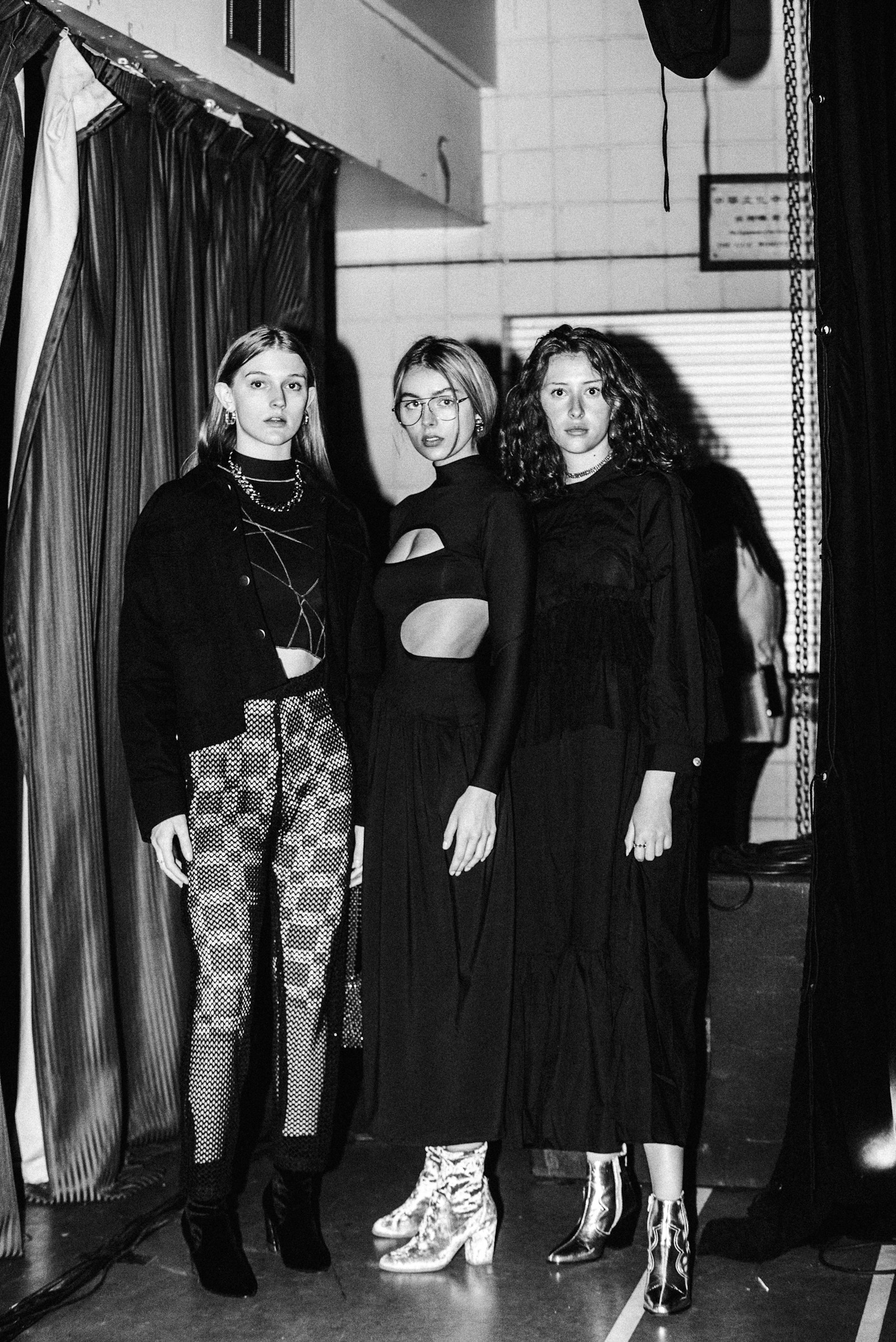
1990s Streetwear era, MCMXC–MCMXCIX
Streetwear, the most significant stylistic movement of the late twentieth century, began in a surf shop in Laguna Beach and on the handball courts of the Lower East Side. It did not begin, as every history of Parisian couture would imply, in Paris. Its archive is not the sketchbook but the disposable camera.
Shawn Stussy had been scrawling his surname across surfboards since 1980. By 1984 he was printing it on T-shirts. The letters came from his signature—a graffiti-adjacent scrawl that the Japanese magazine Popeye would spend the 1990s trying to explain. Hiroshi Fujiwara, in Tokyo, saw it and understood immediately. The International Stussy Tribe, an invitation-only group of designers, DJs, and shop owners, circulated the logo from Tokyo to Paris to London in bootleg and authorised editions that, by 1992, had blurred entirely.
Supreme, 1994
When James Jebbia opened Supreme at 274 Lafayette Street in April 1994, the store was a rectangle with skate ramps bolted to the floor and a few folded T-shirts stacked on a table. The logo—red, white, Futura Heavy Oblique—was a direct lift from the artist Barbara Kruger, who would later call it "a ridiculous clusterfuck of uncooperative arrogance." The clusterfuck resold, by 2017, for a billion dollars.
Streetwear is not a style. It is a system of scarcity, sociality, and speed.
The Runway Concedes
For twenty years the luxury houses pretended not to notice. Then, in January 2017, Kim Jones sent a collaboration with Supreme down the Louis Vuitton men’s runway. The monogrammed duffel bag that emerged—Louis Vuitton’s damier rebroadcast through Supreme’s box logo—was not the first streetwear piece in a European house, but it was the first that admitted defeat. Virgil Abloh arrived at Louis Vuitton men’s eighteen months later. The century turned.
The argument, now, is about ownership. Streetwear’s founders were, overwhelmingly, the children of immigrants and Black Americans. Its current economy is underwritten largely by LVMH. Whether the vocabulary can remain the vocabulary of its speakers, once their speech is being sold back to them at a markup, is the open question of the next collection.

Ivo Marchetti
Writer and dress historian. Ivo contributes regularly on menswear, subculture, and the economics of style.
Related Dispatches

Streetwear: How a New York Skate Shop Conquered Paris Fashion
A graphic tee from Lafayette Street, a hoodie from Harajuku, a sneaker drop announced on Instagram. The forty-year migration of skate-and-hip-hop dressing from subculture to luxury runway.

Minimalism: Why 1990s Restraint Still Defines Luxury Today
A bias-cut slip in undyed silk, a sleeveless shift in undyed wool, a bag with no logo at all. The decade that decided that subtraction was a luxury proposition — and was right.

Grunge: The Collection That Got Marc Jacobs Fired in 1992
A flannel shirt from a thrift shop, a slip dress over a Tee, a pair of Doc Martens. The Seattle-imported anti-glamour that ended one designer’s job at Perry Ellis and reordered fashion for a decade.
Readers’ Letters
Submissions are moderated, as in any decent publication.
No letters received yet. Yours may be the first.