Y2K Revival: How the 2000s Came Back
Low-rise denim, butterfly clips, and frosted lip gloss returned not to nostalgia but to TikTok. A note on the compression of the fashion cycle.

Y2K era, MM–MMIX
The traditional fashion cycle, as theorised by Laver in 1937, assumed a twenty-year gap between a style’s expiry and its revival. The cycle, like much of the twentieth century’s industrial assumptions, has been abbreviated. The 2000s came back, on TikTok, in 2020. The gap had closed to twelve years and still seemed, to the algorithm, too long.
Low-rise denim, the defining silhouette of 2002, re-entered the feed first. Then came the butterfly clip, the shrug cardigan, the trucker hat, the velour tracksuit embroidered across the seat—every garment that the millennial, by 2015, had mentally consigned to the charity shop. Their children pulled them out again, and purchased them new.
The Condensed Cycle
What changed was not taste but distribution. An aesthetic now propagates in days, not seasons. The "indie sleaze" revival was named, populated with outfits, and exhausted within six weeks in the spring of 2022. "Cottagecore" lasted perhaps four. Whatever is happening on the homepage this week will have its revival by the decade’s end; whatever is being worn now, already, is being catalogued for its future re-reading.
Trends no longer decay. They freeze, in the feed, until the feed thaws them again.
What Survives
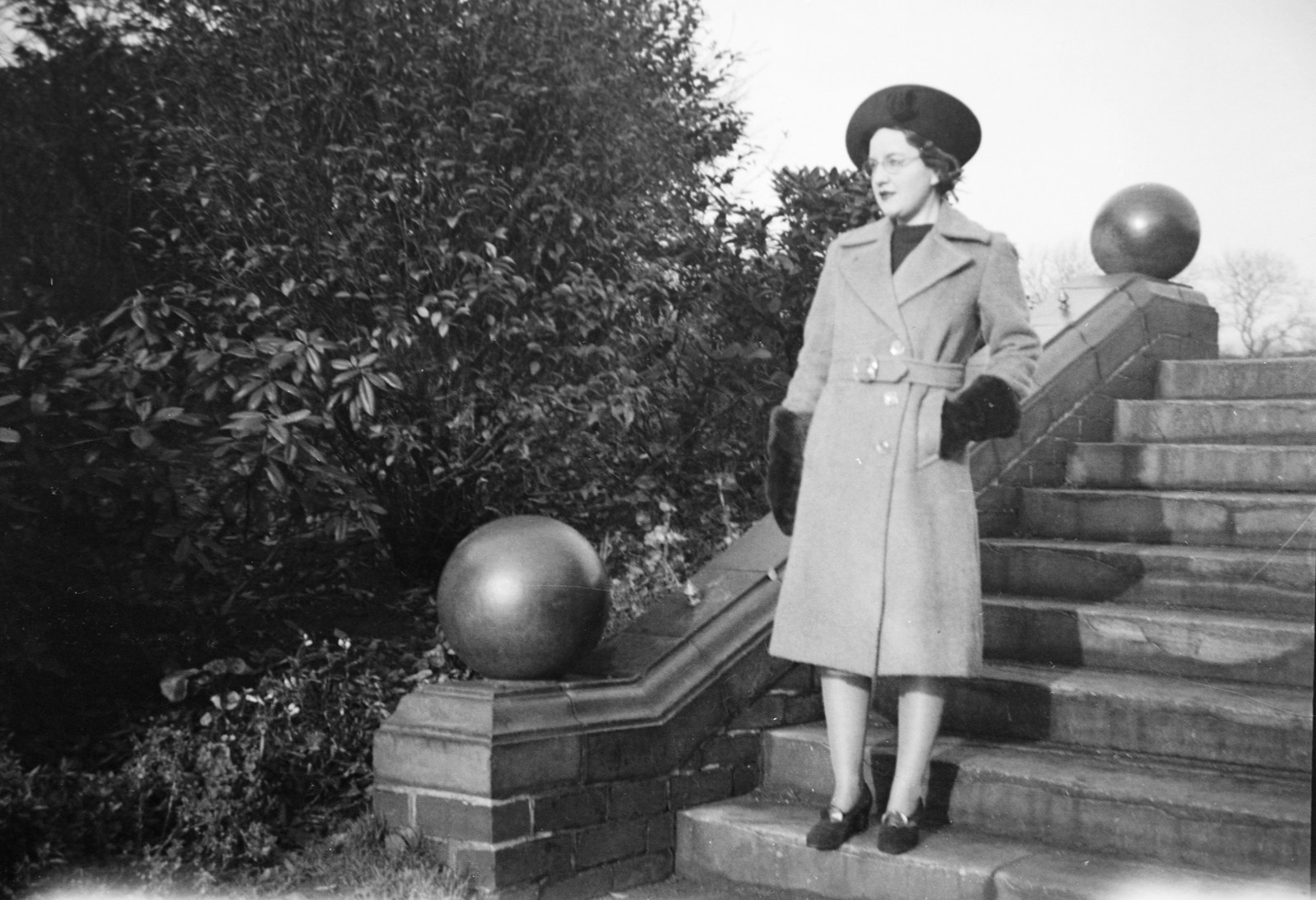
Not every 2000s artefact made the trip. The peplum, the bubble skirt, the gaucho pant: absent. Low-rise won partly because, in 2022, the high-rise jean had become uniformed; it returned as contrast, not as content. Revivals, read closely, are always arguments with the present. The 2000s came back because the 2020s, in denim terms, needed a rebuttal.
There is a smaller question, folded inside the larger one: whether the decade we are living in has a distinct silhouette of its own, or whether its signature is precisely this habit of thumbing through the archive. A great deal of contemporary style is, literally, reenactment. Whether reenactment amounts to a style is the question the 2030s will have to answer.

Anaya Deshmukh
Fashion historian and essayist based in Delhi. Former curator at the Museum of Costume, her work traces the social lives of garments across two centuries.
Related Dispatches

Streetwear: How a New York Skate Shop Conquered Paris Fashion
A graphic tee from Lafayette Street, a hoodie from Harajuku, a sneaker drop announced on Instagram. The forty-year migration of skate-and-hip-hop dressing from subculture to luxury runway.

Minimalism: Why 1990s Restraint Still Defines Luxury Today
A bias-cut slip in undyed silk, a sleeveless shift in undyed wool, a bag with no logo at all. The decade that decided that subtraction was a luxury proposition — and was right.
Grunge: The Collection That Got Marc Jacobs Fired in 1992
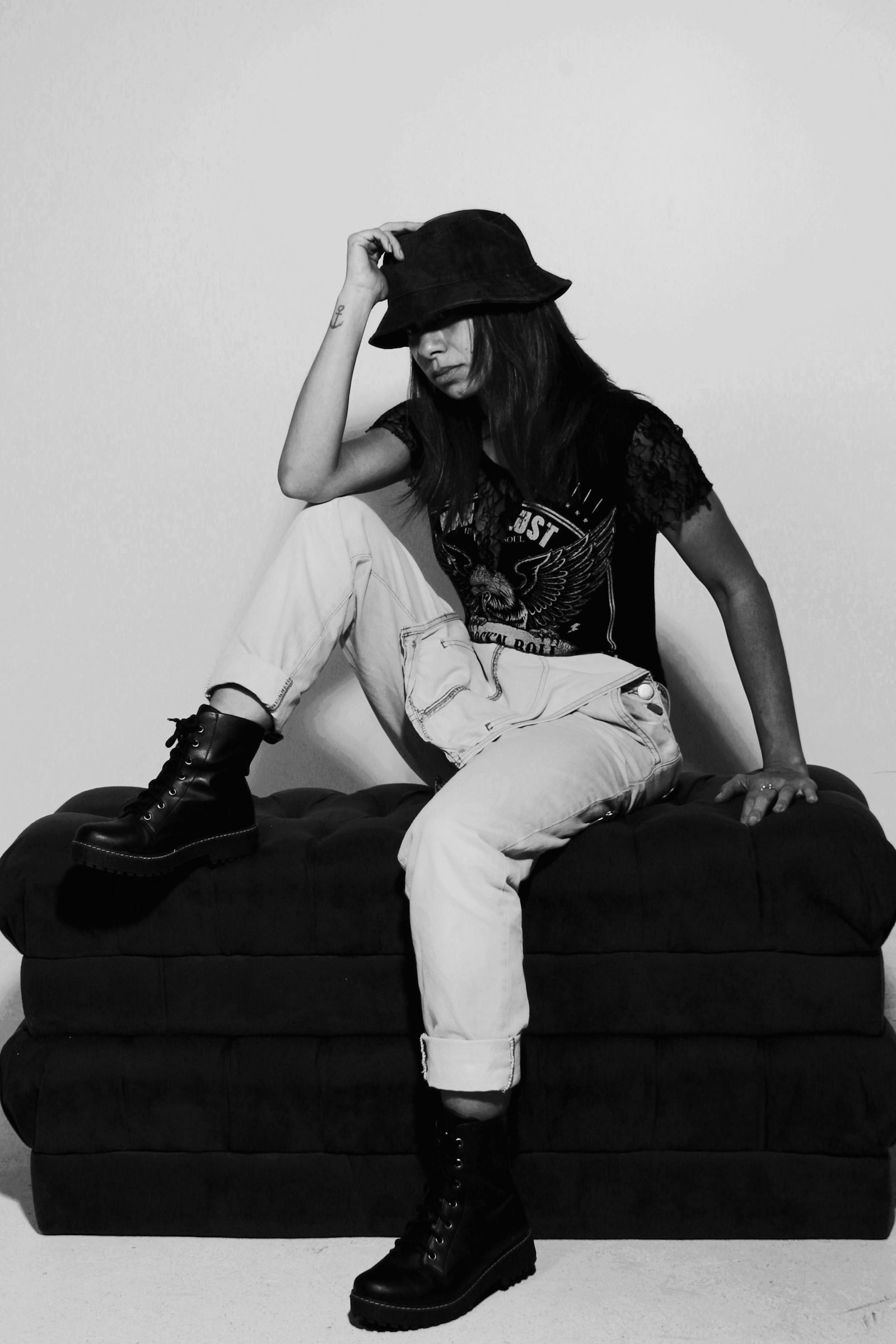
A flannel shirt from a thrift shop, a slip dress over a Tee, a pair of Doc Martens. The Seattle-imported anti-glamour that ended one designer’s job at Perry Ellis and reordered fashion for a decade.
Readers’ Letters
Submissions are moderated, as in any decent publication.
No letters received yet. Yours may be the first.