
- 1879 (MDCCCLXXIX)
- 1944 (MCMXLIV)
- French
- Doucet, Worth, Paul Poiret
- •Abolition of the corset (1906)
- •The hobble skirt
- •Orientalism in couture
- •The kimono coat
- •Parfums de Rosine (1911)
Paul Poiret
The Parisian who freed the female torso from the corset before Chanel did, and dressed the 1910s in kimonos, turbans, and a scandalous saturation of colour.
Paul Poiret's father was a cloth merchant in Les Halles. Paul apprenticed at an umbrella-maker, sketched his own dresses in the evening, and sold a portfolio of them at nineteen to the couturier Jacques Doucet. By 1903 he had opened his own house at 5 rue Auber. He was twenty-four.
Poiret's contribution to the twentieth century rests on a single structural act: in 1906 he designed a dress that did not require a corset. The garment — high-waisted, column-shaped, inspired loosely by Directoire revival and by his reading of the Ballets Russes — fell from the shoulder rather than cinching the waist. For three generations of French women this had not been an option. For the next hundred years it would be the default.
The Orient as Argument
Where Chanel would later argue for liberation in black jersey, Poiret argued in colour and spectacle. His 1911 collection was openly Oriental — turbans, tunics, kimonos, harem trousers — and his 1002nd Night party of June that year dressed its 300 guests in silks of his design, with the host enthroned as a sultan. The press was scandalised and delighted.
I freed the bust, but I shackled the legs. — Paul Poiret, on the hobble skirt
The hobble skirt of 1910, tightly banded at the ankles, was decried by suffragettes and by the Pope, but not by his customers. Poiret's other inventions — the minaret tunic, the lampshade dress, the kimono coat — had longer afterlives.
The Perfume House
In 1911 Poiret founded Parfums de Rosine, named for his daughter. It was the first time a couturier had launched a fragrance under their own name. Chanel's N°5, in 1921, is a direct descendant. The total-lifestyle model of the modern luxury brand originates at Poiret.
The Fall
Poiret was ruined by the First World War, which interrupted his commerce, and by his refusal to adapt to the silhouette Chanel introduced in the 1920s. "Chanel has invented," he told a reporter, "a misère de luxe" — luxurious poverty. He was correct, commercially, for the wrong reasons. He closed his house in 1929, and died in Paris in 1944, in a single hotel room, having sold his paintings and archives. The Metropolitan Museum of Art's 2007 exhibition Poiret: King of Fashion was attended by 500,000 visitors and, for a season, restored him.
Related Dispatches

Elsa Schiaparelli and the Birth of Shocking Pink
Before the colour had a Pantone number, it had a bottle. The surrealist couturier who tinted the twentieth century.
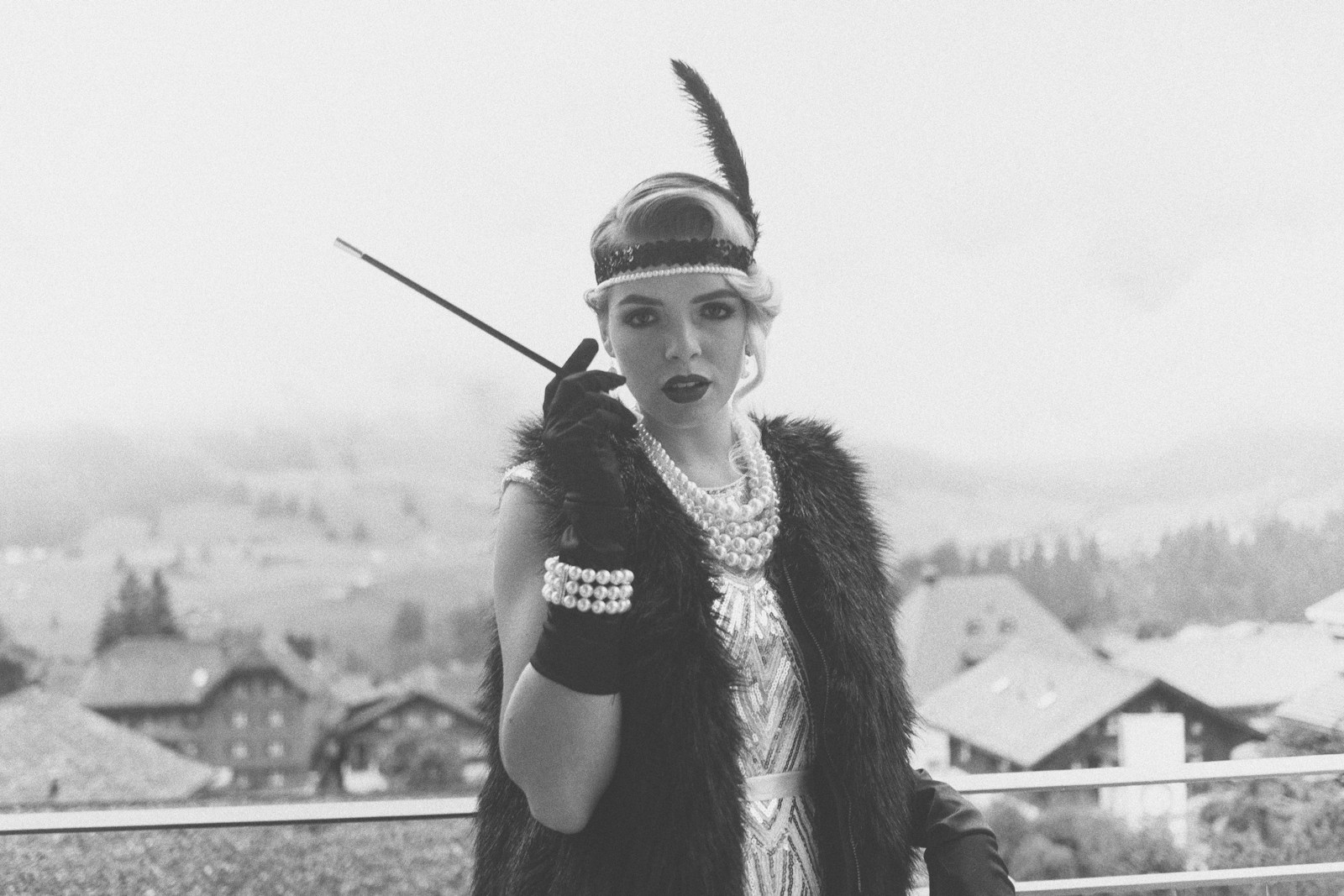
Coco Chanel and the Liberation of the Modern Silhouette
She dressed the twentieth century in jersey, cropped its hair, and freed its waist. The story of how a milliner from Saumur became the architect of modern style.