- 1905 (MCMV)
- 2001 (MMI)
- African American
- Zelda Wynn, Dance Theatre of Harlem (costume)
- •The original Playboy Bunny costume (1960)
- •Hourglass bodycon silhouettes
- •First Black designer to own a shop on Broadway (1948)
Zelda Wynn Valdes
The Chambersburg-born Black designer who dressed Ella Fitzgerald, Dorothy Dandridge, and Josephine Baker — and, in 1960, designed the original Playboy Bunny costume.
Zelda Wynn Valdes was born in 1905 in Chambersburg, Pennsylvania. Her grandmother had been enslaved; her mother ran a dressmaking business. Valdes trained with her uncle, a tailor, in White Plains, New York, and opened her own Manhattan atelier in 1948 — the first Black-owned dress shop on Broadway.
The Clientele
Her clients through the 1940s and 1950s read as the Black entertainment aristocracy of the period: Ella Fitzgerald (who wore Wynn Valdes for her 1947 Carnegie Hall debut), Josephine Baker, Dorothy Dandridge, Marian Anderson, Joyce Bryant, Mae West, Edna Robinson (wife of the boxer Sugar Ray), and Constance Bennett. Her signature silhouette was a severely fitted, corseted hourglass with a cinched waist and an almost architectural bust — the bodycon dress, twenty years before the term existed.
I have a talent for making women look sexy. — Zelda Wynn Valdes
The Bunny
In 1960 Hugh Hefner commissioned Wynn Valdes to design a costume for the waitresses at his first Playboy Club in Chicago. She produced: a strapless, high-cut, one-piece bodysuit in satin, with a fluffy cotton tail, rabbit ears on a headband, a bow-tie collar, and matching cuffs. The costume — with modifications — is the single most-copied corporate uniform of the twentieth century. It has been worn by approximately 25,000 women since 1960.
The Dance Theatre
In 1970 Arthur Mitchell asked her to design costumes for the new Dance Theatre of Harlem. She worked there, principally, until the end of her life, producing costumes for more than eighty of the company's ballets. She died in Manhattan in 2001, at 96.
Wynn Valdes was not meaningfully covered in the fashion press during her working lifetime. A Met Costume Institute acquisition of seven of her pieces in 2019, and the Brooklyn Museum's 2024 exhibition Africa Fashion, which included her work, have initiated the reversal of that silence.
Related Dispatches

Mod: How British Teenagers Killed Parisian Fashion in the 1960s
Carnaby Street, the Vespa, a geometric mini, a bob cut to the jawline. The youth-culture uprising that, for the first time in fashion history, dictated the terms to Paris.
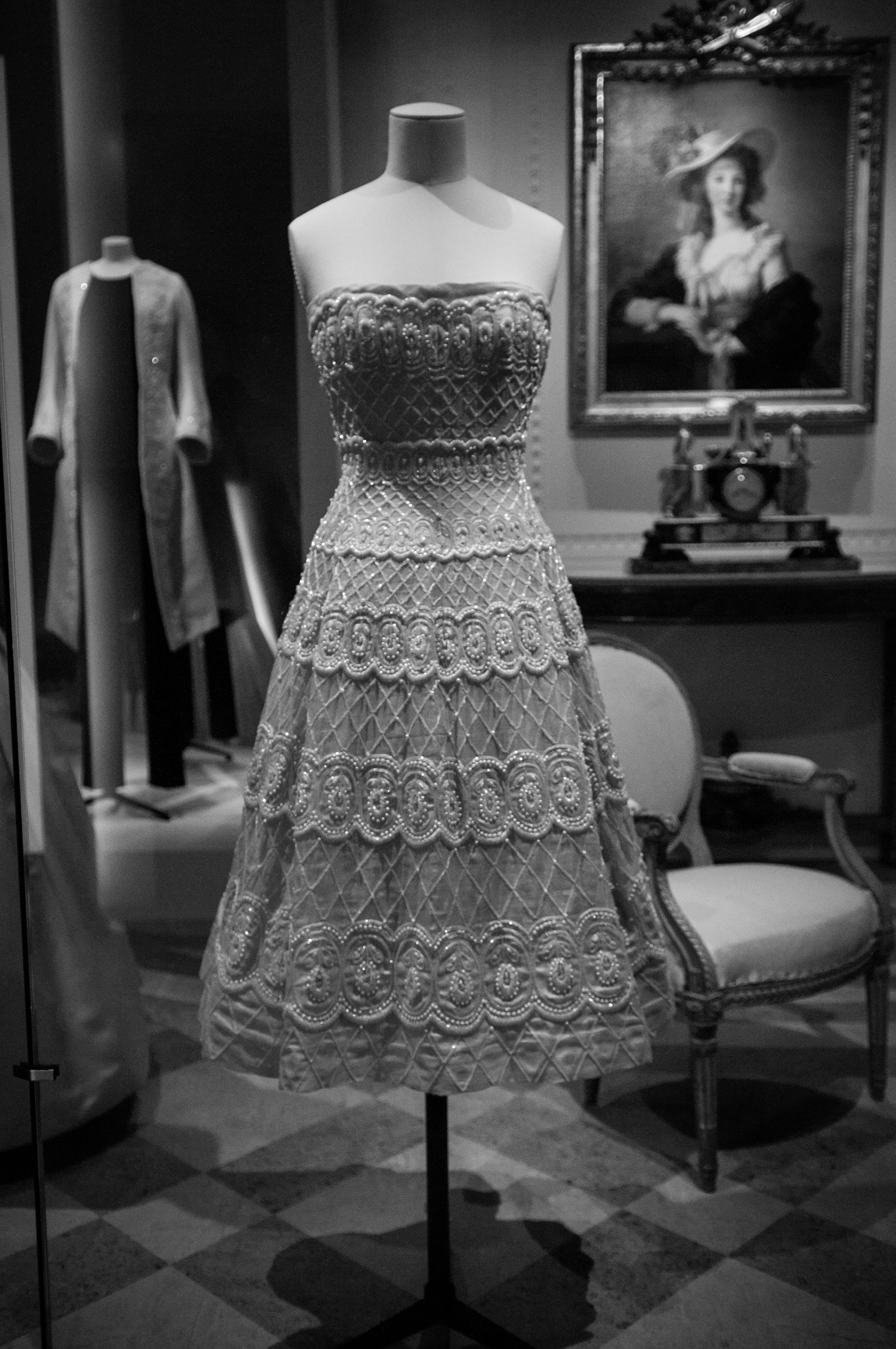
The New Look: Why Women Rioted Over a Dress in 1947
Christian Dior’s February 1947 collection used twenty yards of fabric per skirt at a moment when British women were rationed to two. The reaction was adoration, fury, and an industry rebuilt overnight.
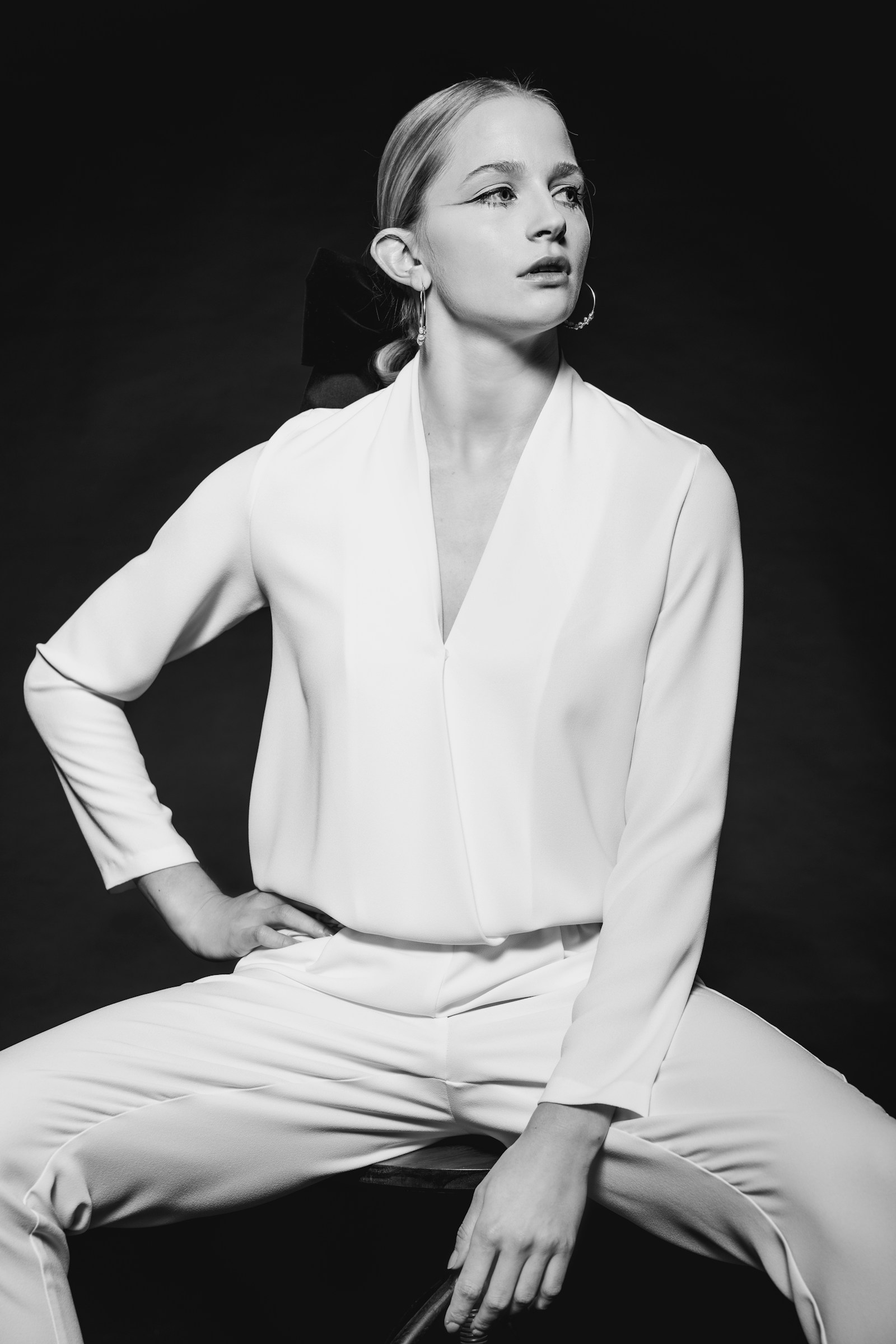
Le Smoking: Yves Saint Laurent Dresses Women in Tuxedos
In August of 1966, an evening tuxedo appeared on a Paris runway. The model was a woman. The century shifted, quietly, on its heel.